How to Build an FSVP Program from Scratch (Step-by-Step System Approach)
Start with the Right Mindset: FSVP is a System, Not a Document
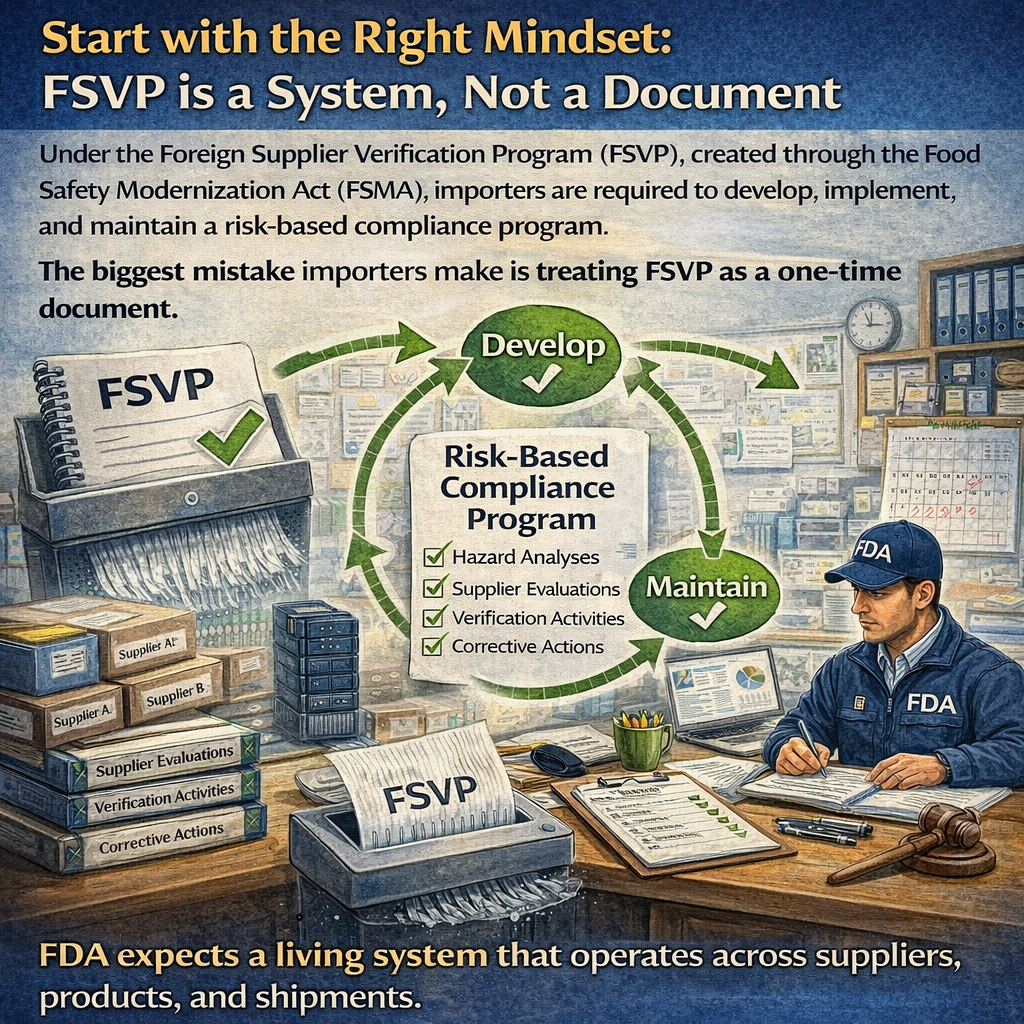
Under the Foreign Supplier Verification Program (FSVP), created through the Food Safety Modernization Act (FSMA), importers are required to develop, implement, and maintain a risk-based compliance program.
The biggest mistake importers make is treating FSVP as a one-time document.
FDA expects a living system that operates across suppliers, products, and shipments.
FSVP Implementation Framework (Step-by-Step System)
Step 1 — Importer Structure
Objective: Define FSVP responsibility.
- Identify Importer of Record
- Verify DUNS number
- Match FDA entry records
- Define internal roles
Output: Defined importer profile.
Step 2 — Qualified Individual
Objective: Ensure accountability.
- Assign QI
- Document training/experience
- Define oversight responsibilities
Output: Designated compliance authority.
Step 3 — Product Inventory
Objective: List all imported foods.
- Catalog products
- Define ingredients & processing
- Specify packaging & use
Output: Structured product list.
Step 4 — Hazard Analysis
Objective: Identify risks.
- Biological, chemical, physical hazards
- Determine preventive controls
- Document justification
Output: Product-level hazard analysis.
Step 5 — Supplier Approval
Objective: Validate suppliers.
- Collect safety documentation
- Review audits & certifications
- Assess compliance history
Output: Approved supplier list.
Step 6 — Verification
Objective: Confirm hazard control.
- Define audits, testing, reviews
- Set risk-based frequency
Output: Verification program.
Step 7 — Corrective Actions
Objective: Manage failures.
- Define triggers
- Set response actions
- Document events
Output: Corrective action system.
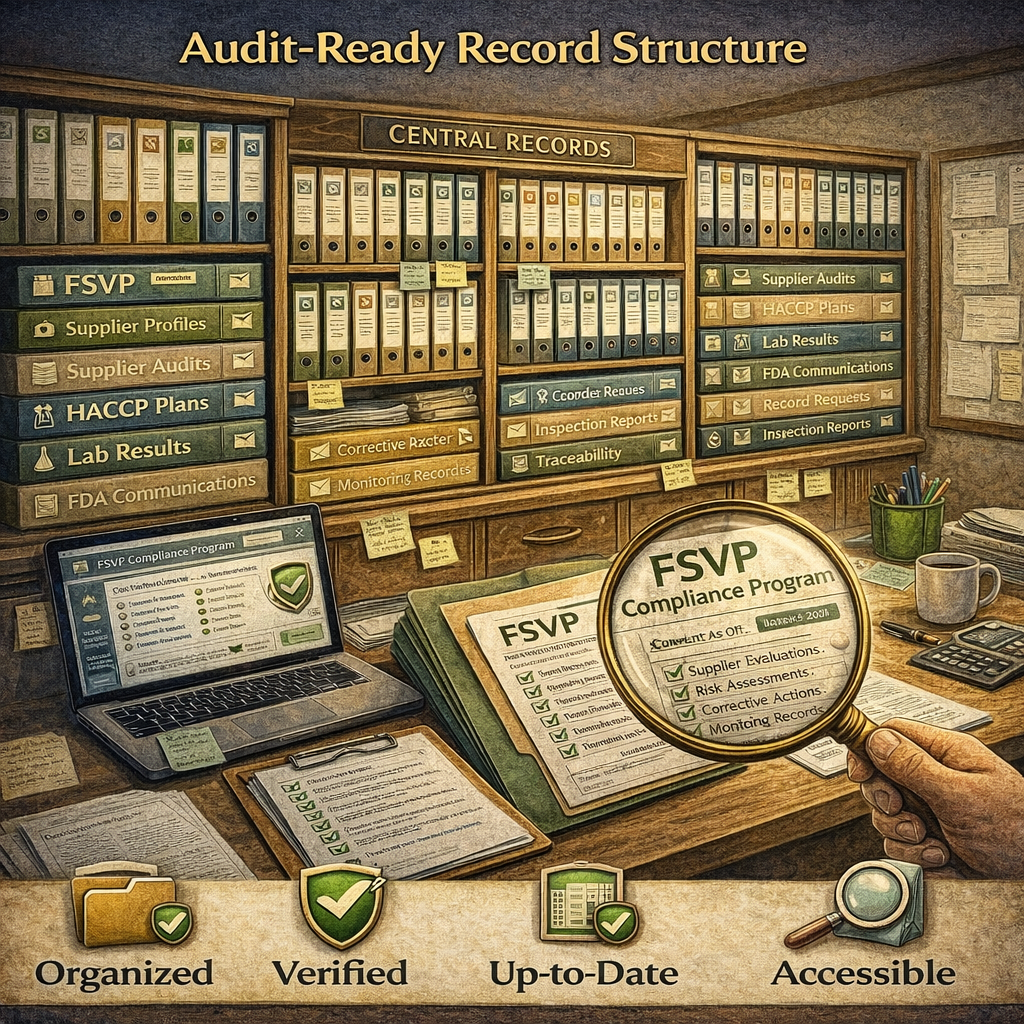
Step 8 — Recordkeeping
Objective: Ensure documentation.
- Organize records
- Ensure 24-hour access
- Standardize formats
Output: Audit-ready records.
Step 9 — Shipment Compliance
Objective: Control shipments.
- Verify supplier approval
- Match hazard analysis
- Align entry filings
Output: Shipment-level control.
Step 10 — Maintenance
Objective: Keep system current.
- Reevaluate suppliers
- Update hazard analyses
- Review performance
Output: Continuous compliance.
System Architecture: How It All Connects
A properly built FSVP program is not a collection of documents—it is a connected system.
Every component must align and function together to meet FDA expectations.
Core Structure:
Importer → Supplier → Product → Hazard → Verification → Shipment → Records
Each component must be:
- Connected
- Documented
- Justified
- Maintained
Modern Execution: Systemizing FSVP
Manual systems fail because they are:
→ Fragmented
→ Inconsistent
→ Difficult to maintain
Advanced importers implement platforms like SystemsBuilder.pro to centralize and standardize compliance.
System Benefits:
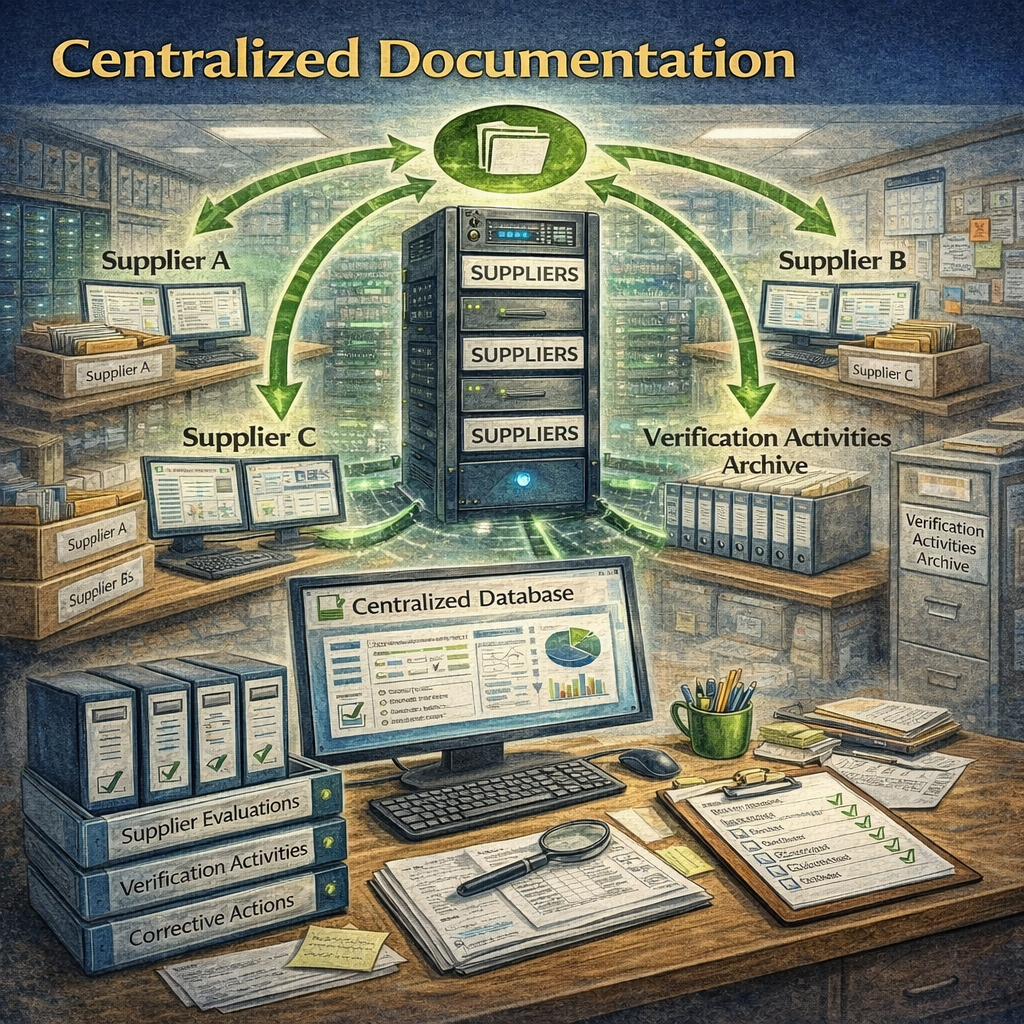
→ Centralized documentation
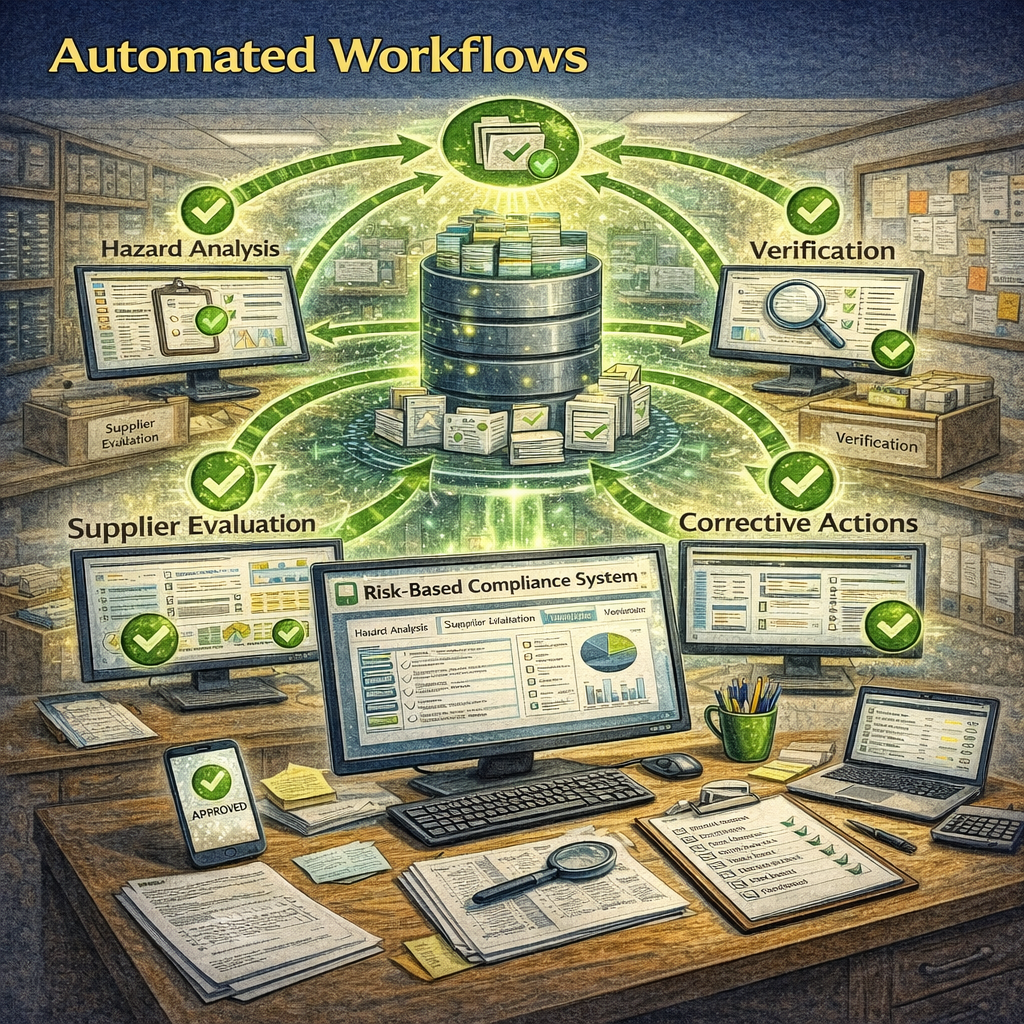
→ Automated workflows
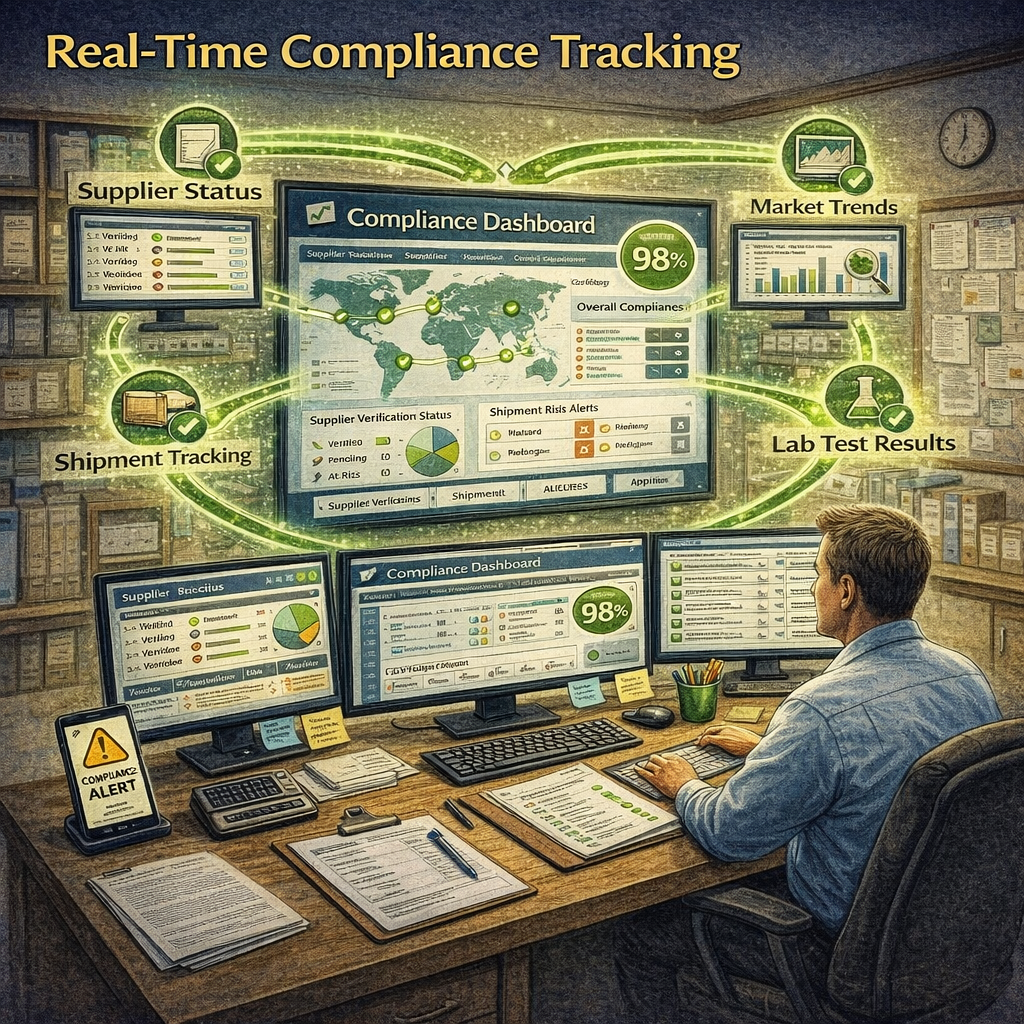
→ Real-time compliance tracking
→ Audit-ready record structure
Common Pitfalls When Building from Scratch:
- Treating FSVP as a template instead of a system
- Skipping product-level hazard analysis
- Approving suppliers without documented justification
- Failing to connect compliance to shipments
- Poor record organization
Systems Create Compliance. Disconnected Files Create Risk.
Final Takeaway
Building an FSVP program is not about filling out forms—it’s about creating a defensible, risk-based compliance system that FDA can audit at any time.
What Your System Must Demonstrate:
- Hazard control
- Supplier oversight
- Ongoing verification
Bottom Line
If your system cannot clearly demonstrate these elements, it is not compliant.
Compliance Is Not a Document. It’s a System You Can Defend.
Need Help Building Your FSVP System?
If you are importing food into the U.S., the question is not whether you need FSVP—it’s whether your system is built correctly to withstand FDA review.
Build it once. Build it correctly. Keep it compliant.
What This Means for You:
- Full program development from scratch
- Supplier and product compliance management
- Shipment-level verification
- Integration with SystemsBuilder.pro
Your Next Steps
→ Build your FSVP system from the ground up
→ Establish supplier and product compliance controls
→ Verify every shipment before entry
→ Maintain continuous FDA readiness
Build It Right. Stay Compliant. Scale Without Risk.